

Listen and subscribe to the podcast on:






Understanding Emotional Betrayal in Recovery with Jill and Alonso Pool
The often-overlooked harm that can occur when emotional energy, intimacy, care, or attention is redirected away from a partner. Jill and Alonso break emotional betrayal into three layers: emotional displacement, emotional neglect, and emotional affairs (DNA).
Together, they discuss why someone can be sexually sober yet still cause relational harm, how “healthy” activities or recovery routines can unintentionally replace connection with a partner, and why transparency, regular check-ins, and emotional honesty are essential to rebuilding trust.
Whether you are a betrayed partner, someone in recovery, or a professional supporting couples, this conversation offers language for a pain that is often dismissed or misunderstood.Show More
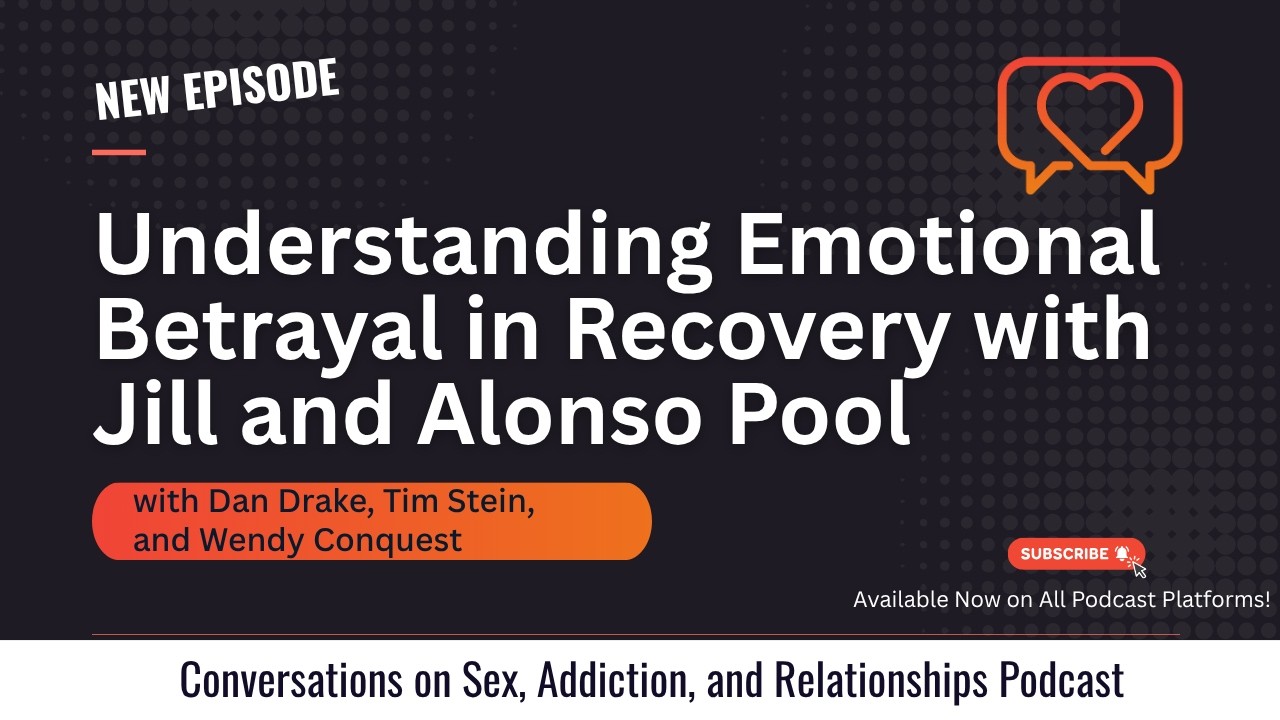
Understanding Emotional Betrayal in Recovery with Jill and Alonso Pool
Betrayal isn’t always sexual. In this episode, Dan Drake, Tim Stein, and Wendy Conquest welcome Jill and Alonso Pool of Hope in the Havoc for a candid conversation about emotional betrayal.
The often-overlooked harm that can occur when emotional energy, intimacy, care, or attention is redirected away from a partner. Jill and Alonso break emotional betrayal into three layers: emotional displacement, emotional neglect, and emotional affairs (DNA).
Together, they discuss why someone can be sexually sober yet still cause relational harm, how “healthy” activities or recovery routines can unintentionally replace connection with a partner, and why transparency, regular check-ins, and emotional honesty are essential to rebuilding trust.
Whether you are a betrayed partner, someone in recovery, or a professional supporting couples, this conversation offers language for a pain that is often dismissed or misunderstood.
The often-overlooked harm that can occur when emotional energy, intimacy, care, or attention is redirected away from a partner. Jill and Alonso break emotional betrayal into three layers: emotional displacement, emotional neglect, and emotional affairs (DNA).
Together, they discuss why someone can be sexually sober yet still cause relational harm, how “healthy” activities or recovery routines can unintentionally replace connection with a partner, and why transparency, regular check-ins, and emotional honesty are essential to rebuilding trust.
Whether you are a betrayed partner, someone in recovery, or a professional supporting couples, this conversation offers language for a pain that is often dismissed or misunderstood.
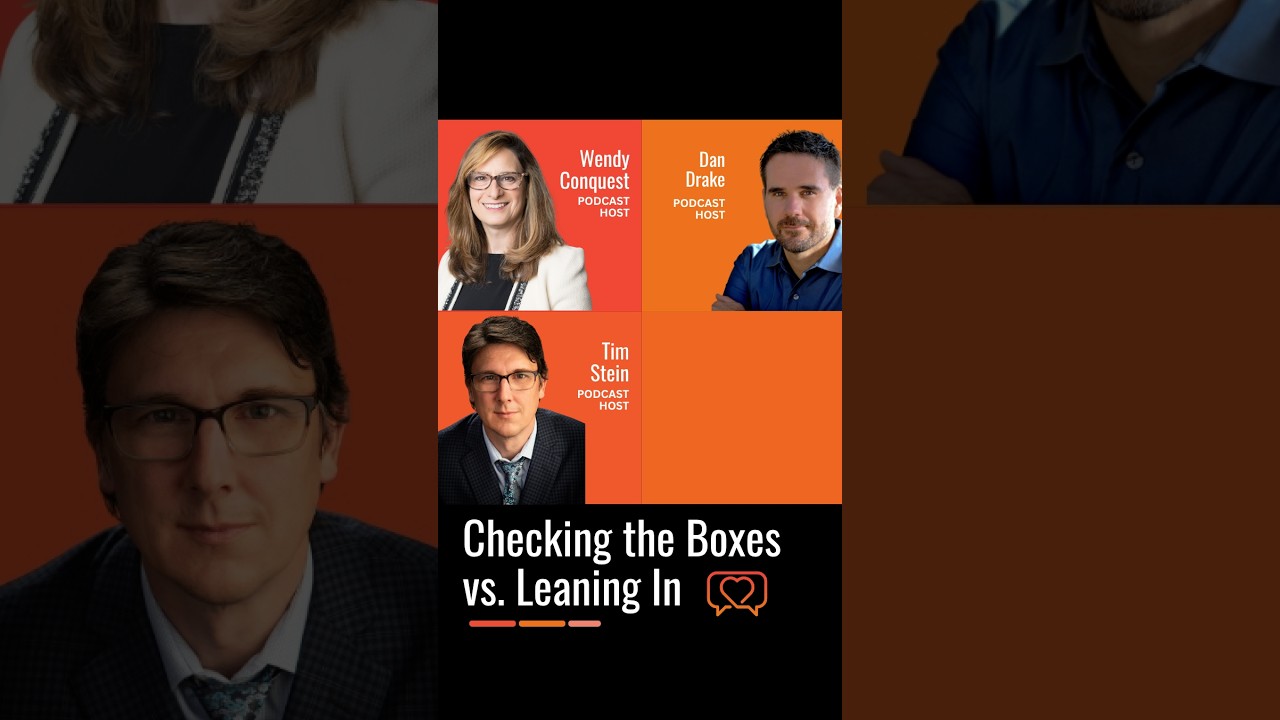
Checking the Boxes vs Leaning in
Wendy, Dan, and Tim unpack why so many addicts struggle with true engagement in recovery and how childhood attachment wounds can show up as resistance, defensiveness, or surface-level compliance.
They explore real-life scenarios: the addict who’s all in on sobriety but ignores relational repair… the partner who’s trauma-blinded to real change… and the quiet ambivalence that keeps people stuck.
The invitation? Get honest. Ask yourself: Am I really leaning in or just going through the motions? Because long-term, your partner will feel the difference even if they can’t explain it. Watch the full episode to learn how to move from box-checking to breakthrough.
They explore real-life scenarios: the addict who’s all in on sobriety but ignores relational repair… the partner who’s trauma-blinded to real change… and the quiet ambivalence that keeps people stuck.
The invitation? Get honest. Ask yourself: Am I really leaning in or just going through the motions? Because long-term, your partner will feel the difference even if they can’t explain it. Watch the full episode to learn how to move from box-checking to breakthrough.
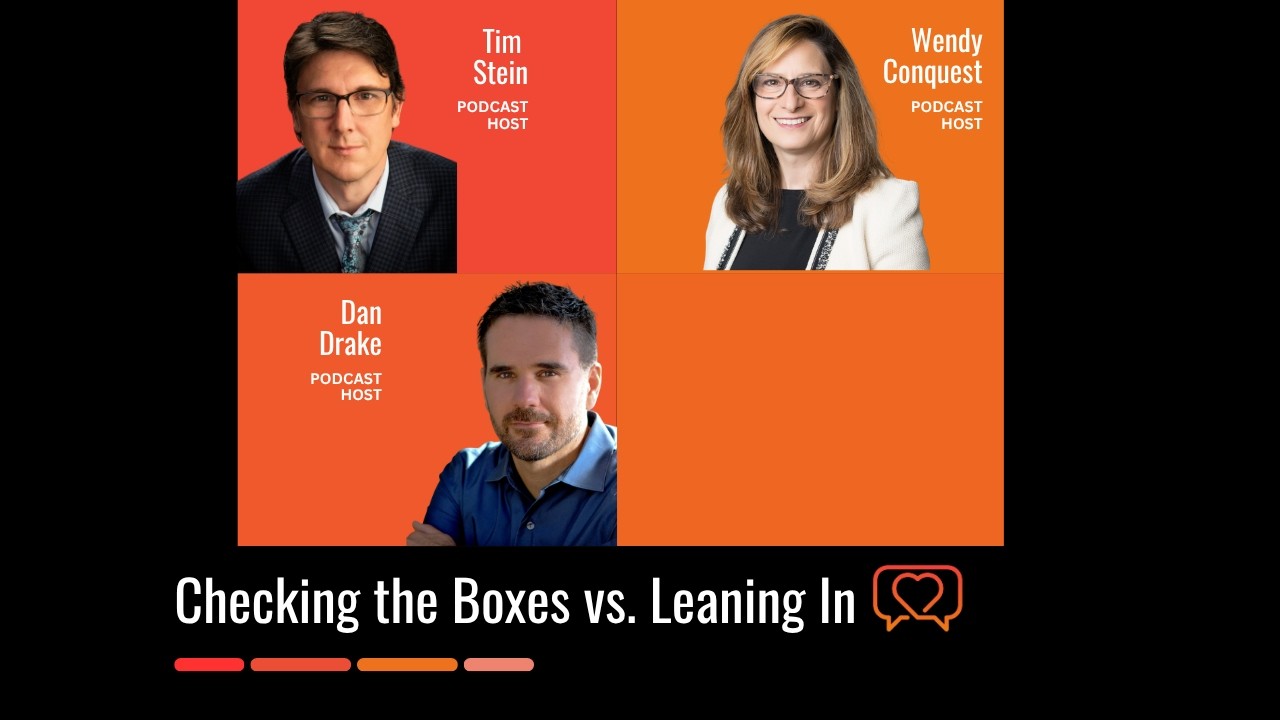
Checking the Boxes vs Leaning In
Wendy, Dan, and Tim unpack why so many addicts struggle with true engagement in recovery and how childhood attachment wounds can show up as resistance, defensiveness, or surface-level compliance.
They explore real-life scenarios: the addict who’s all in on sobriety but ignores relational repair… the partner who’s trauma-blinded to real change… and the quiet ambivalence that keeps people stuck.
The invitation? Get honest. Ask yourself: Am I really leaning in or just going through the motions? Because long-term, your partner will feel the difference even if they can’t explain it. Watch the full episode to learn how to move from box-checking to breakthrough.
They explore real-life scenarios: the addict who’s all in on sobriety but ignores relational repair… the partner who’s trauma-blinded to real change… and the quiet ambivalence that keeps people stuck.
The invitation? Get honest. Ask yourself: Am I really leaning in or just going through the motions? Because long-term, your partner will feel the difference even if they can’t explain it. Watch the full episode to learn how to move from box-checking to breakthrough.
From Addiction Spending to Recovery Investing
“I can’t afford recovery.” Sound familiar?
In this eye-opening episode, Wendy, Dan, and Tim confront one of the most common and revealing barriers to healing: cost. They challenge listeners to ask themselves: How much were you spending on your addiction in time, energy, opportunity, and yes, money? And what are you truly willing to prioritize now?
In this eye-opening episode, Wendy, Dan, and Tim confront one of the most common and revealing barriers to healing: cost. They challenge listeners to ask themselves: How much were you spending on your addiction in time, energy, opportunity, and yes, money? And what are you truly willing to prioritize now?
From Addiction Spending to Recovery Investing
“I can’t afford recovery.” Sound familiar?
In this eye-opening episode, Wendy, Dan, and Tim confront one of the most common and revealing barriers to healing: cost. They challenge listeners to ask themselves: How much were you spending on your addiction in time, energy, opportunity, and yes, money? And what are you truly willing to prioritize now?
Watch the full episode, 'What Authentic Recovery Actually Looks Like' now to learn more.
In this eye-opening episode, Wendy, Dan, and Tim confront one of the most common and revealing barriers to healing: cost. They challenge listeners to ask themselves: How much were you spending on your addiction in time, energy, opportunity, and yes, money? And what are you truly willing to prioritize now?
Watch the full episode, 'What Authentic Recovery Actually Looks Like' now to learn more.

Recovery Demands More Than Attendance
"If you’re really gonna be in recovery, you can’t just be involved.” Wendy Conquest, Dan Drake, and Tim Stein cut through the illusion of “doing recovery” by simply showing up.
They expose the difference between being involved, attending meetings, seeing a therapist, having a sponsor and being committed: making daily phone calls, sharing vulnerable truths, changing boundaries, and doing the hard work between sessions.
This clip is a wake-up call for anyone stuck in surface-level recovery and a roadmap for what authentic engagement actually looks like.
They expose the difference between being involved, attending meetings, seeing a therapist, having a sponsor and being committed: making daily phone calls, sharing vulnerable truths, changing boundaries, and doing the hard work between sessions.
This clip is a wake-up call for anyone stuck in surface-level recovery and a roadmap for what authentic engagement actually looks like.

Recovery Demands More Than Attendance
"If you’re really gonna be in recovery, you can’t just be involved.” Wendy Conquest, Dan Drake, and Tim Stein cut through the illusion of “doing recovery” by simply showing up.
They expose the difference between being involved, attending meetings, seeing a therapist, having a sponsor and being committed: making daily phone calls, sharing vulnerable truths, changing boundaries, and doing the hard work between sessions.
This clip is a wake-up call for anyone stuck in surface-level recovery and a roadmap for what authentic engagement actually looks like.
They expose the difference between being involved, attending meetings, seeing a therapist, having a sponsor and being committed: making daily phone calls, sharing vulnerable truths, changing boundaries, and doing the hard work between sessions.
This clip is a wake-up call for anyone stuck in surface-level recovery and a roadmap for what authentic engagement actually looks like.

Why Recovery Must Come First Even When It’s Hard
Whether you’re in recovery or supporting someone who is, this recent episode, 'What Authentic Recovery Actually Looks Like', offers a sobering but hopeful reminder: real change demands more than attendance, it demands intention, collaboration, and daily action. Give it a listen or share with someone today!

Why Recovery Must Come First (Even When It’s Hard)
Conversations Podcast hosts confront a hard truth: sharing a relapse or struggle isn’t enough if the conversation ends with absolution and no change.
They also tackle one of the most common barriers to deep recovery: “I don’t have time.” Tim, Wendy, and Dan reframe this excuse as a prioritization issue, urging listeners to recognize that recovery must become a non-negotiable priority, especially in early stages, because without it, everything else (relationship, family, career) is at risk.
Whether you’re in recovery or supporting someone who is, this recent episode, 'What Authentic Recovery Actually Looks Like', offers a sobering but hopeful reminder: real change demands more than attendance, it demands intention, collaboration, and daily action. Give it a listen or share with someone today!
They also tackle one of the most common barriers to deep recovery: “I don’t have time.” Tim, Wendy, and Dan reframe this excuse as a prioritization issue, urging listeners to recognize that recovery must become a non-negotiable priority, especially in early stages, because without it, everything else (relationship, family, career) is at risk.
Whether you’re in recovery or supporting someone who is, this recent episode, 'What Authentic Recovery Actually Looks Like', offers a sobering but hopeful reminder: real change demands more than attendance, it demands intention, collaboration, and daily action. Give it a listen or share with someone today!

What Authentic Recovery Actually Looks Like
When an addict says they’re “in recovery,” partners naturally want to believe them. But what does real recovery actually look like and how is it different from simply checking the boxes?
In this candid and clinically rich conversation, Wendy Conquest, Dan Drake, and Tim Stein unpack the distinction between authentic recovery and what they call “pseudo-recovery” in sex addiction. They explore common recovery activities, meetings, sponsors, therapy, working the steps, reading workbooks, and reveal how someone can participate in all of them while still hiding, avoiding vulnerability, or staying emotionally disengaged.
In this candid and clinically rich conversation, Wendy Conquest, Dan Drake, and Tim Stein unpack the distinction between authentic recovery and what they call “pseudo-recovery” in sex addiction. They explore common recovery activities, meetings, sponsors, therapy, working the steps, reading workbooks, and reveal how someone can participate in all of them while still hiding, avoiding vulnerability, or staying emotionally disengaged.

What Authentic Recovery Actually Looks Like
When an addict says they’re “in recovery,” partners naturally want to believe them. But what does real recovery actually look like and how is it different from simply checking the boxes?
In this candid and clinically rich conversation, Wendy Conquest, Dan Drake, and Tim Stein unpack the distinction between authentic recovery and what they call “pseudo-recovery” in sex addiction. They explore common recovery activities, meetings, sponsors, therapy, working the steps, reading workbooks, and reveal how someone can participate in all of them while still hiding, avoiding vulnerability, or staying emotionally disengaged.
Whether you’re an addict questioning your own level of engagement or a partner sensing something’s off, this episode offers clarity, compassion, and a call to go deeper.
In this candid and clinically rich conversation, Wendy Conquest, Dan Drake, and Tim Stein unpack the distinction between authentic recovery and what they call “pseudo-recovery” in sex addiction. They explore common recovery activities, meetings, sponsors, therapy, working the steps, reading workbooks, and reveal how someone can participate in all of them while still hiding, avoiding vulnerability, or staying emotionally disengaged.
Whether you’re an addict questioning your own level of engagement or a partner sensing something’s off, this episode offers clarity, compassion, and a call to go deeper.

How Childhood Attachment Wounds Could Lead to Addiction
In this final clip, Matt Wenger explains how attachment wounding, not attachment “style”, shapes everything: from childhood survival to adult compulsive behaviors. When caregivers aren’t safe, consistent, or reliable, kids learn: “I’m on my own.” And that’s where addiction often begins.
Want to understand your own attachment story? Explore trauma-informed healing at beginagaininstitute.com.
Want to understand your own attachment story? Explore trauma-informed healing at beginagaininstitute.com.